Thinking about buying your first place in Lebanon but not sure whether a townhouse or a condo fits you best? You are not alone. Both options can be smart, budget-friendly paths to homeownership, yet they work very differently once you look at ownership, HOAs, insurance, and financing. This guide breaks down the key differences in simple terms and points you to the right local checks before you make an offer. Let’s dive in.
Ownership basics
Condominiums are set up so you own your individual unit space and share ownership of common elements like hallways, roofs, land, and amenities. A condominium declaration and bylaws spell out exactly where your unit ends and the common property begins.
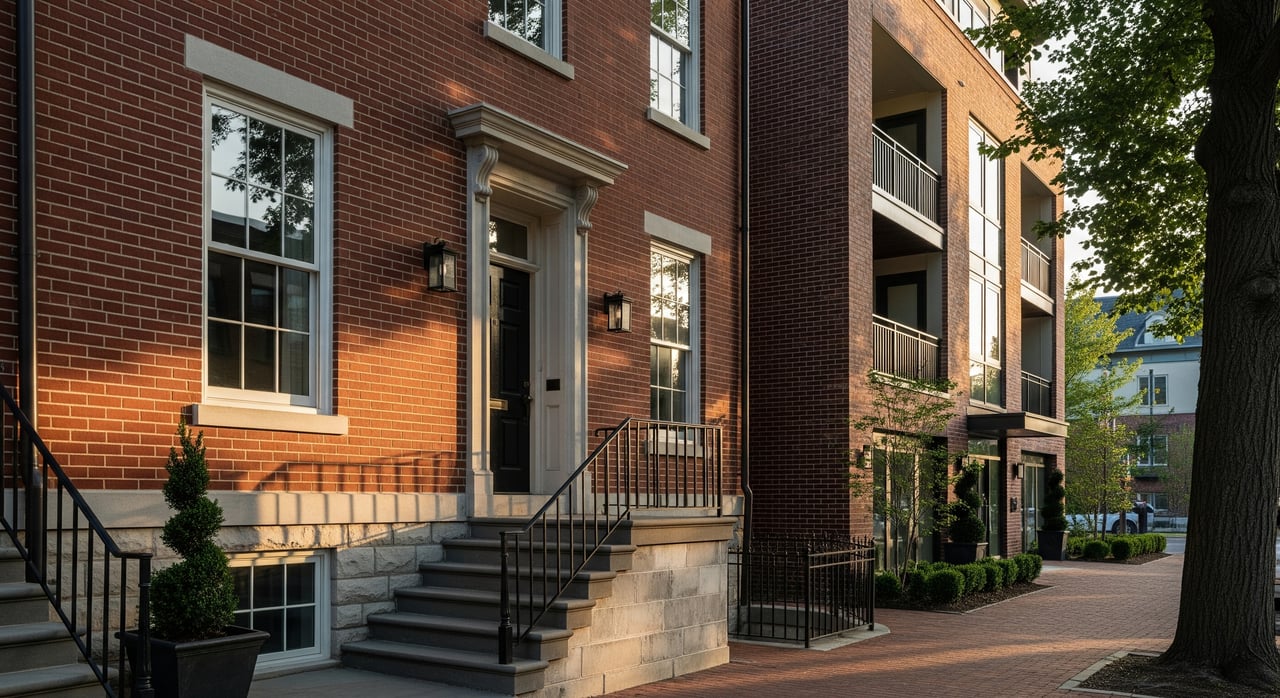
Townhouses are commonly fee-simple homes. You usually own the structure and the land under it. In some planned communities, exterior elements are governed by covenants that define what you can change and what the HOA controls.
Why it matters: Your ownership type decides who is responsible for roofs, siding, grounds, and building systems. It also affects your insurance, financing requirements, and how the county assesses taxes.
HOA responsibilities
Condo HOAs typically handle exterior maintenance, common areas, landscaping, snow removal of shared drives, building insurance for the exterior, and any amenities. You focus mostly on the inside of your home.
Townhouse HOAs vary widely. Some cover roads and landscaping only. Others may include exterior painting or roof replacement. The only reliable way to know is to read the governing documents for the specific community.
Request and review before you commit:
- Declaration or condo declaration, bylaws, and rules
- Current budget, recent financials, and reserve study or reserve policy
- Master insurance declarations for the HOA
- Meeting minutes for the last 6 to 12 months
- Any pending litigation disclosures
- Estoppel or resale certificate showing dues, assessments, and violations
- Rules on rentals, pets, parking, and alterations
What to watch:
- Reserves: Low reserves raise the risk of special assessments
- Assessment history: Frequent or large assessments are a red flag
- Rental rules: Can affect future resale and buyer pool
- Exterior changes: Understand approval rules for windows, decks, siding
Maintenance and insurance
In condos, owners typically handle the interior. The association manages the exterior, roof, and common systems. You usually buy an HO-6 policy that covers walls-in, personal property, liability, and any interior upgrades. The HOA carries a master policy for the building shell and common areas. Coverage types vary, so review the declarations carefully.
In townhouses, you often need an HO-3 policy that covers the structure and the lot, because you commonly own both. If your HOA covers some exterior elements, your individual policy might be adjusted to reflect that. Confirm using the HOA’s master policy and your insurance agent’s advice.
Ask your agent and the HOA for:
- Type and limits of the master policy, and whether it is replacement cost
- Deductible amounts and how deductibles are assigned to owners
- Whether flood insurance is required based on FEMA maps
Financing and taxes
Lenders underwrite condos differently from townhouses because the condo’s financial health matters to the loan. Some loans require project-level approval, while fee-simple townhouses are often treated like single-family homes for loan programs.
- FHA/VA: Condo projects may need approval for easier FHA/VA financing. Townhouses that are fee-simple often qualify as single-family under these programs.
- Down payment: Can be similar, but lenders may use different overlays for condos. Talk to a local lender early.
- Taxes: Both property types pay county and municipal taxes. Confirm how the Lebanon County assessment office lists the property so you know how taxes will be billed.
Resale and marketability
Your resale timeline depends on association health, dues levels, and restrictions. Well-managed associations with reasonable dues and solid reserves tend to sell faster. Rental caps, pending litigation, or high assessment risk can limit your buyer pool. Townhouses often appeal to buyers who want a single-family feel and more control. Condos can be attractive if you want low exterior maintenance and possibly closer-in locations.
Lebanon-specific checks
Before you make an offer in Lebanon or nearby townships, verify a few local items:
- Property classification and tax parcel. Confirm how the unit or lot is recorded and how taxes are billed with the county records.
- Flood risk. Use the FEMA Flood Map Service Center to check if the address sits in a special flood hazard area.
- Zoning and municipal services. Ask the City of Lebanon or your township about code enforcement, trash schedules, snow plowing scope, and any local rules for rentals or exterior changes.
- Utilities. Clarify which utilities are individually metered versus master-metered for the community.
- Parking. Verify assigned spaces, garage rights, or reliance on street parking.
- Commute and access. Consider proximity to Route 422 and Route 72 and how that affects your day-to-day routine.
Buyer checklist
Gather these items early so you can compare homes with confidence:
- HOA contact info and most recent resale or estoppel certificate
- Budget, financials, and reserve study or written reserve policy
- Meeting minutes for the last 6 to 12 months
- Master insurance declarations and evidence of coverage
- Written disclosures on any pending or recent special assessments
- Rules on rentals, pets, alterations, and parking assignments
- Responsibility matrix for roof, exterior walls, decks, fences, driveways, snow removal, lawn care, streetlights, and stormwater systems
- Insurance quote that accounts for the HOA’s master policy and any loss assessment exposure
- Lender confirmation that the condo project is acceptable, or that a townhouse qualifies as single-family for your loan program
- Inspection scope, including roof, siding, windows, foundation, HVAC, plumbing, and any shared systems
- Litigation check: ask directly whether the HOA is involved in any legal actions
Real-world scenarios
- First-time buyer using FHA or VA. A fee-simple townhouse may be easier to finance. If you find a condo you love, verify project approval early with your lender.
- Low-maintenance seeker. A condo that handles exterior work and grounds can reduce your weekend to-do list. Expect monthly dues and review reserves to avoid surprise assessments.
- Owner who wants control. A fee-simple townhouse often allows more exterior changes, subject to the community’s covenants.
How to choose with confidence
Start with lifestyle and costs. If you value low exterior maintenance and do not mind association rules, a condo can make sense. If you want greater control and a more single-family feel, a townhouse might fit. Compare total monthly costs, including HOA dues, insurance type, and any likely assessments.
Then test the numbers. Review HOA budgets, reserve policies, and assessment history next to your comfort level with risk. Get a specific insurance quote based on the master policy’s coverage and deductibles. Have your lender evaluate loan options for the property type early in your search.
Next steps and local resources
- Check flood status at the FEMA Flood Map Service Center.
- Confirm parcel and tax details with the Lebanon County assessment or recorder’s office.
- Ask your lender about condo project acceptance and FHA/VA options for your target homes.
- Request the full HOA resale or estoppel package before you submit an offer.
- Get quotes from a local insurance agent for HO-3 vs HO-6 coverage.
Ready to compare options in real time and tour communities that fit your goals? Reach out to Ajay Patel and the Hershey Real Estate Group for local guidance, document review support, and a financing and insurance game plan that matches your budget.
FAQs
What is the main difference between a condo and a townhouse in Lebanon?
- A condo owner typically owns the unit interior and shares common property, while a townhouse owner commonly owns the structure and the land under it, subject to any community covenants.
Who pays for roof and exterior repairs in Lebanon communities?
- In condos, the HOA usually handles the exterior. In townhouses, it depends on the covenants. Always verify responsibilities in the community’s governing documents.
What insurance do I need for a Lebanon condo vs townhouse?
- Condo buyers usually need an HO-6 policy to cover the interior and personal property, while townhouse buyers typically need an HO-3 policy for the structure, subject to what the HOA covers.
Are condos harder to finance than townhouses in Lebanon?
- Condos can require project-level reviews for some loans and may need FHA or VA approval, while fee-simple townhouses are often treated like single-family homes by lenders.
How do HOA reserves affect my costs in Lebanon?
- Low reserves increase the risk of special assessments that add to your costs. Review budgets, reserve studies, and meeting minutes to gauge future risk.
How can I check flood risk for a Lebanon address?
- Use the FEMA Flood Map Service Center to see if the property lies in a special flood hazard area and whether flood insurance may be required.